Let’s Talk About Pricing…

Many people approach how much they should charge for their products or services by typically asking questions such as the following:

  • What are other businesses in the market charging for a similar proposition?
  • How much does it cost to create & deliver the products/ services?
  • What profit margin do I require?
  • What is the supply of the product/ service to its demand for it?

These are good questions to ask. However, when pricing is looked at this way, it is from the business’s perspective and not the customers’ perspectives.

In my opinion there are advantages to viewing pricing from the customers’ perspective. It gives businesses insight into how they are positioned in the marketplace, where there are opportunities to sell more, and what potential collaborations or partnerships may be useful. Fundamentally, it gives businesses insights into customers & buying behaviours.

So, let’s look at pricing through a different lens…

Learning about the customer

I am a great believer that the whole point of business is to provide something of benefit to individuals or populations. Therefore, every aspect of how business is conducted needs to facilitate opportunities for this benefit… and pricing can be one of a business’s greatest opportunities.

It is often said that pricing should reflect the perceived value of the products or services provided. What one person values highly may have very little value to others. For example, the person who values expensive cars may also value other material expressions of wealth. The person who values their nutrition, may pay more for organic produce and invest in supplements, than someone whom at the other end of the spectrum pays for multiple take-aways each week and mindlessly consumes sweets.

So, pricing can help determine what an individual or specific demographic values the most at a specific period. This helps create a customer avatar, that in turn, can be used to build client-engagement strategies, identify external partnerships, and develop associated products and services that customers value further and are likely to fulfil their desires. Win-win is facilitated by putting even more focus on the customer to provide more tailored services.  

Extra-ordinary pricing

In an earlier blog post, it was mentioned that people are creatures of habit. Behaviour is a rhythm of life just like, a heartbeat or a brain wave, it has its own cadence and predictability. Put an individual under stress, who is not trained to deal with it, and observe how their reaction pulls them out of sync just like the heartbeat of an unfit person asked to run for a bus. In saying that, Elon & Justine Musk once said entrepreneurs must “learn how to handle a level of stress that will break most people”.

Bringing this back to pricing, if a person is going through a momentous life event, their typical buying behaviours are likely to also be affected, and the more they will engage with prices that are outside their typical range. For example, if a person is to buy jewellery for their partner, they may typically buy something within a specific price range. However, if this is to mark a significant event in their life such as an engagement, the intrinsic value they will attribute the jewellery, and the event, will be reflected in an increase in the price they pay. The same could be said for going out for dinner, or for a crucial medical decision, etc.

Don’t Take it Personally

It is also worth saying this… The price of your services does not reflect your value. As entrepreneurs who develop products and services, we can put a lot of time and energy into what is produced. None of this is likely to be considered by the customer. What matters is their experience. If customers are not willing to pay above a certain price for something, this is positive feedback about how they value something, not you. Entrepreneurs should take their ego out of it… (this is something I had to learn the hard way years ago!)

The Lesson

So, what’s the lesson… pricing can be used to help businesses understand more about who their customers are and their buying behaviours. When working with businesses who want to review their pricing, I will often start with an analysis of their current customer database and ask them to segment it using price as one of the variables. When they do this, a few questions can be asked:

  • If there were multiple prices offered, how many customers bought in each price bracket?
  • Which price bracket bought faster and more often?
  • Why did this happen?
  • What does each price bracket tell you about how you are positioned in the mind of the customer?
  • What happens if you change your pricing?
  • Could you have a product or service reflective of something outside the customers’ typical buying-patterns that they can access one-off?

If you would like to have a conversation about pricing, feel free to get in touch using chris.robertson@sgfe.co.uk. Pricing is a conversation that entire books can be written on. It is my hope that this blog has simply been, food for thought.
Asset or Income

I was recently working with a client that had run his business for almost 20 years. He was doing about £250k revenue per year and employed a handful of people, mostly part-time.

Now in his 50s, he was rethinking what he wanted from life, wondering what retirement would bring, and even if it would ever come. With ambitions of holiday homes and a comfortable lifestyle free from the pressures of running a business, he turned his gaze to selling the company.

To give you further insight, this company has a diverse product line and primarily attracted people online to transact through its website. Out of 100 visitors, it would convert between 1% to 3% into a customer each month. That was a good month. There were some months when people did not convert. They had done exceptionally well during the COVID-19 pandemic, but their income was inconsistent and created anxiety.

I was recently reminded when working with another client (doing over £100 million in revenue), that paradoxically, the best companies that sell are those that would be great to keep. Build them with an exciting vision, enticing proposition, and stable revenue, with potential for even greater growth, and who wouldn’t want to be a part of that?

So, what did this business owner do?

Very often, business owners bounce between their next great idea and the day-to-day running of the business. Usually, one consumes more time than the other, depending on what’s going on for that individual.

At the time of my engagement, this business owner was looking at building an app. Having seen news headlines of companies selling for millions because of their technology, he thought this was a sure-fire way to enable the company’s scalability and secure a higher value at sale.

However, this is a prime example of when technology is not the answer!

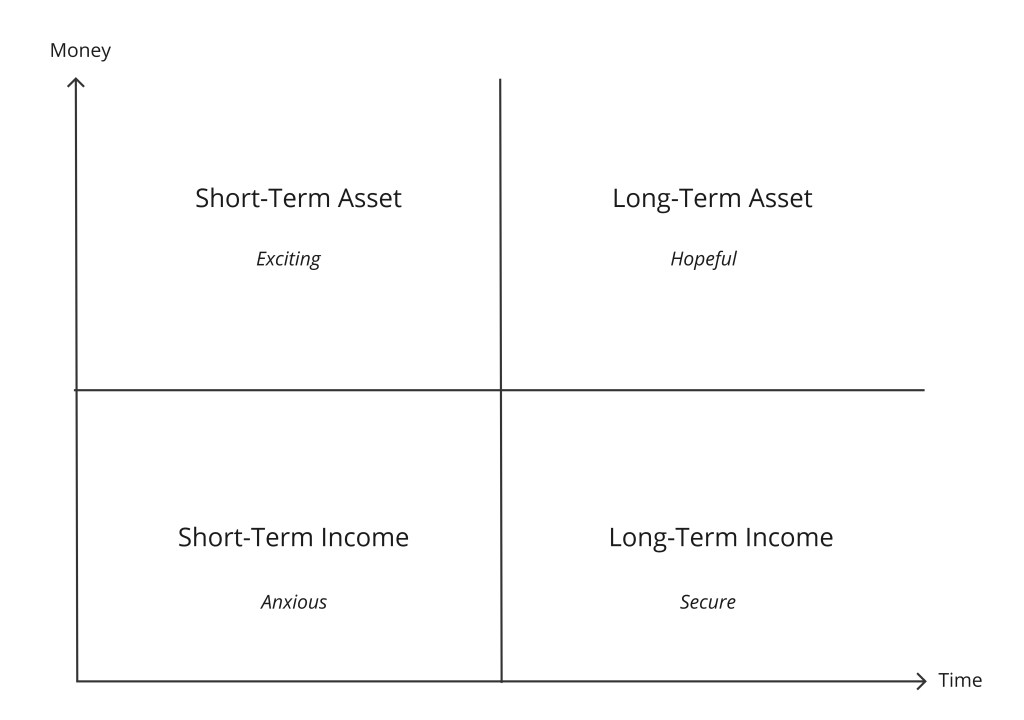
When developing their companies, business owners must make decisions between building assets or focussing on their income. The graph below depicts what this looks like:

The business owner in this example was focused on asset over income, when they needed to focus solely on income. They were already living in the short-term income quadrant with inconsistent sales. This resulted in an anxious state often described as ‘feast or famine’. By building a new product, this meant creating an asset but as a short-term solution. A short-term solution that would have required additional time & money the business did not have.

It is interesting to notice the thinking around building an asset. Previously, the business owner had developed more product lines to increase income. This is again on the asset level and short-term. The business owner would default to building more assets rather than leveraging what they had already created into income. I am always reminded that human beings are creatures of habit. At times of stress, we default to our natural inclinations.

So, how did I help this client? I helped the business focus on building long-term income through campaigns and partnerships.

However, the lesson in this story is to identify where a business is putting its focus and energy. If you’re a business owner reading this, it might be worth looking at how each quadrant in the diagram feels. If you are experiencing a feeling about your business now, where does it fall? Are you anxious about when the next influx of money will occur? Are you excited about launching something new? Are you hopeful for the future, that what you are building will be worth more then, than it is now? Or are you feeling pretty secure?

If you’d like to discuss how to determine whether you should focus on income or asset then get in touch by emailing chris.robertson@sgfe.co.uk.

Designing the Future

Business owners must make many decisions daily, but there are four that set them up for success.

These four decisions, focus their energy, communicate who they are, differentiate themselves from their competitors, and identify where to invest their resources.

These decisions form the cornerstone of a business’s proposition and dramatically affect its performance when they go to market.

However, many entrepreneurs operate on gut feeling and instinct. While these decisions would have been certainly considered, they may not have been completely thought through and strategically implemented.

The typical entrepreneur will back a great idea and move into action. Strategy & documentation of their planning don’t feature very highly on the ‘to-do’ list. If anything, it’s added paperwork that only gets in the way.

But, if you feel like you have really thought through your plans, ask yourself, “how much have you documented before implementing them?”

So, what are these decisions? What do you do with that information? And what do you need to document?

The four decisions are:

  1. What product are you bringing to market?
  2. What service are you providing?
  3. What price-point are you selling at?
  4. What market are you selling into?

This seems like common sense.

However, these decisions are often considered separately and not in conjunction with each other. When this happens, decisions can work against each other rather than have the effect of compound interest. Specifically, product works against service and price is antagonistic to market.

Consider a Ferrari. We know that they are expensive to the average consumer, but the average consumer is not their market. Therefore, they don’t need to comment on price; their market is the wealthy. Instead, the way to position themselves would be on the quality of the product or the service that is provided with it. The car is fast not necessarily the most comfortable and so market & product is what they choose to focus on. This makes their route to market simple and more effective than trying to appeal to the masses.

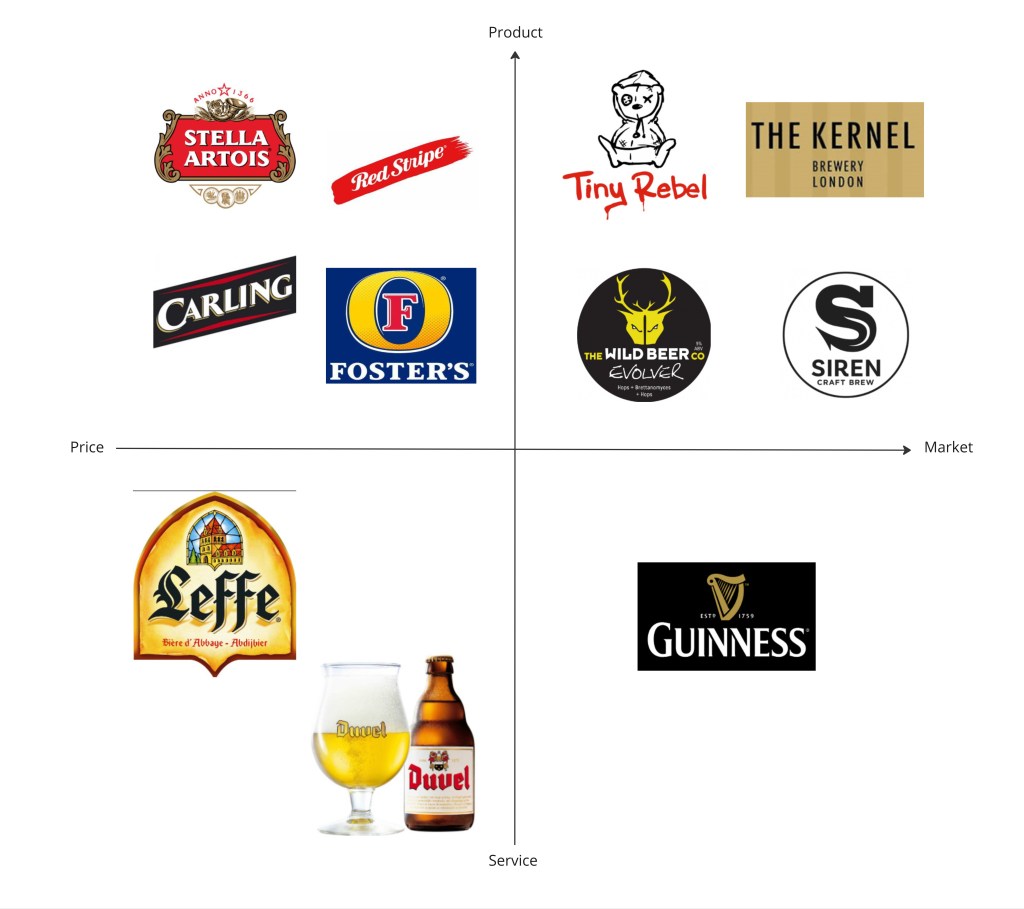
A useful exercise is to position you and your competitors across this matrix. It will help you stand out and find where you should focus your marketing activities. Below, is a diagram of how this is done for beer with an explanation of each quadrant:

Price-Product: These are either the very cheap beers or those that are sold at a premium price. For this exercise, we have chosen cheap and simple high-street lagers.

Product-Market: Craft beers have been chosen for this section as they appeal to a specific demographic. While they can be enjoyed by all, they are for the ‘beer’ adventurer who is looking for something different to the mainstream.

Market-Service: Guinness is a great example of this. What other ‘beer’ do you have to wait for and be poured a specific way? Guinness is the most sold stout in the world, with 1 in 10 draught beers in the UK being Guinness. The company has worked hard to place engineers in pubs to enable them to set up for the perfect pour and has worked tirelessly on reducing the time taken from source to glass, to improve taste.  

Service-Price: The best example I could think of here was Belgium beers. These beers are expensive, often high in alcohol, and typically come with their own uniquely shaped or branded glass. Furthermore, to get a large selection you are most likely travelling to a specialised vendor.

How about you and your business? Where are you positioned? If you would like any further clarity, please do not hesitate to get in contact me using chris.robertson@sgfe.co.uk.

The Business Scorecard

The concept of having a business scorecard was developed to provide businesses with an overview of how they are performing. Scorecards typically look at the company’s finances, how they interact with their customers, internal processes, and organisational learning.

The idea of a scorecard is extremely useful, but like a profit & loss statement, it has its limitations: only looking into the past. This means if it is used for business planning, while seeming like a good idea, it produces a strategy that fills gaps in the past, rather than innovating for the future.

Furthermore, traditional scorecards, aggregate a score of the business based on different areas, without connecting those areas together. If a conscientious business owner was to use one, they may run the risk of trying to fix the area lagging in their business without looking at how these impacts upon other aspects of their organisation. This means that when the next scorecard is completed, they fix the next lagging area while putting pressure elsewhere in the organisation. (A metaphor of someone taking medication to cure an illness only for than medication to cause a side effect, which requires another medication comes to mind).

Attending to one lagging aspect of the business at a time when its flaws are exposed is firefighting – and a very reactive way to run a business. Think of the emotional effort you would need to run a business like this… how does this feel?

Emotionally, this breeds insecurity, anxiety, and wishful thinking.

Surely there is a better way; one which gives a business owners more freedom to develop their business with foresight & confidence.

Let me introduce you to a scorecard that looks to build assets into a business that creates revenue, improves its scalability and profit margins, and increases its valuation. This scorecard is a diagnostic tool that takes reactivity out, and directs business owners to fast return on investment extending further into the future.

How do you think running a business like this would feel?

You can access more information on the diagnostic tool here.

If however, you would like to book a meeting with me to go through the tool and what it can do for your business, please email me directly using chris.robertson@sgfe.co.uk.

Starting

Did you know that the origins of the word business come from the Old English bisignis, meaning ‘anxiety’?

Yet being your own boss and creating something in the world that operates on your terms sounds noble, exciting, and even liberating.

We start out with enthusiasm and hope. We make brave decisions to back-ourselves. We enjoy some wins. When we are rewarded financially for our skills, passion, and identity, we feel valued.

As time builds there are more things we ‘have’ to do. Soon we must work longer hours than we ever did before, sometimes on weekends. We must make sure we are able to do multiple things at once, simultaneously working on the business as well as in it.

When we start to contract people, we begin to trust others with what we are building. When we must file accounts and comply with government rules, we begin to lean on other professionals.

This can be scary. The business soon becomes busy-ness… how much sooner before it becomes ‘anxiety’?

We live in a world of quick fixes and instant gratification. We live in a world that displays outcomes over hard work. We live in a world that is flooded with gurus & their opinions on how to achieve.

While this can offer new perspectives, it ultimately confuses business owners and fills them with false narratives and can compound feelings that they are doing something wrong, not well enough, or should have the answers already.

When looking outward for answers, we are filled with more questions.

The truth is there are no gurus. When it comes to ‘winning’, it is those with the greatest processes and commitment that triumph.

I believe that you are your own guru. I believe that you already have everything you need to make your business thrive. I believe that all you need, is a process to understand your business.

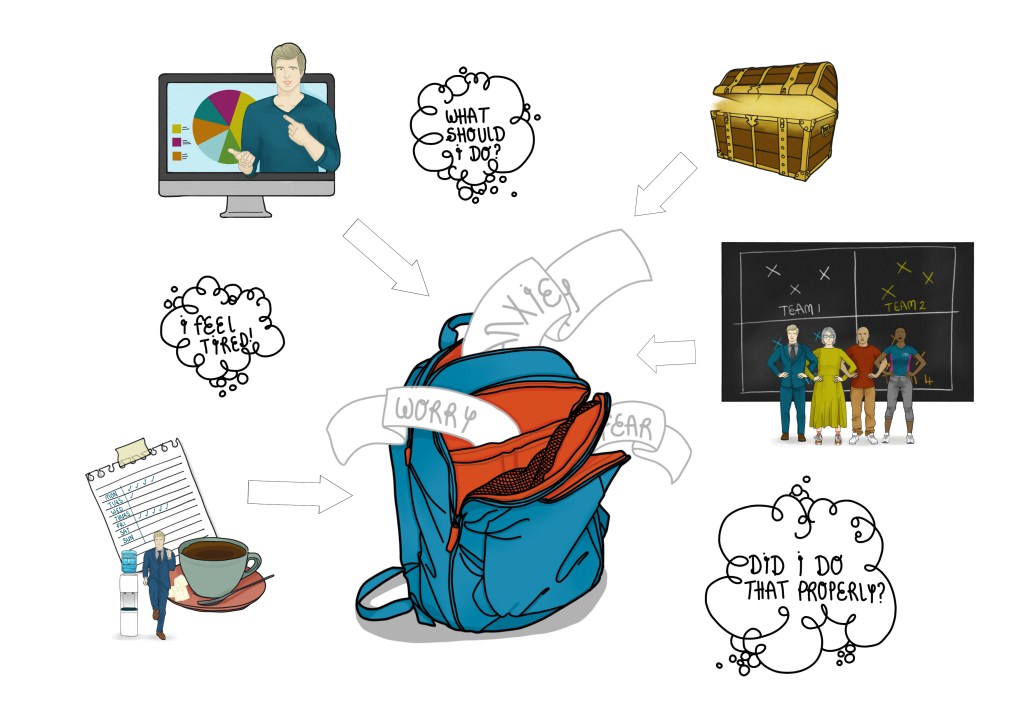
So, before you take a second to read on, take off the backpack of being a business owner, filled with all your concerns.

Take a moment to acknowledge what you have built.

Take a moment to acknowledge all the challenges you have overcome.

And take a moment to acknowledge that what got you here, won’t necessarily be what takes you forward… and with that, comes letting go of the past, so you can embrace the future.

This blog is designed to help business owners reclaim their freedom – over their business, their time, their money, their lives. What will freedom look like for you?

Freedom

What does freedom look like to you? Do you even care about it? Why am I even asking this question?

This blog will help you define what freedom means to you and explain why it is important with respect to your business. The reason why I am so interested in this, is because it is my purpose to enable freedom: freedom for people to express themselves, freedom to live the life they want, freedom to be happy. This is how I choose to live and give to the world.

So, what is freedom? Freedom is the ability to make the choices you want without worrying about condemnation. So, let’s start with looking at our choices.

We make choices all the time…

…the question is: are they your choices?

The human brain is a sponge for experiences and assigns meaning to every one of them. This colours the way we look at the world.

 If enough people share similar experiences or experiences go un-questioned, they can appear as truth. We can then form beliefs around what should and should not be. This can even be at detriment to us; it can act as a prison.

Sometimes those prisons are comfortable. We all know someone who is happier moaning about the status quo, rather than taking steps to do something about it or how it affects them.

Sometimes the prisons are invisible, and until something makes us pay attention, they can go unseen.

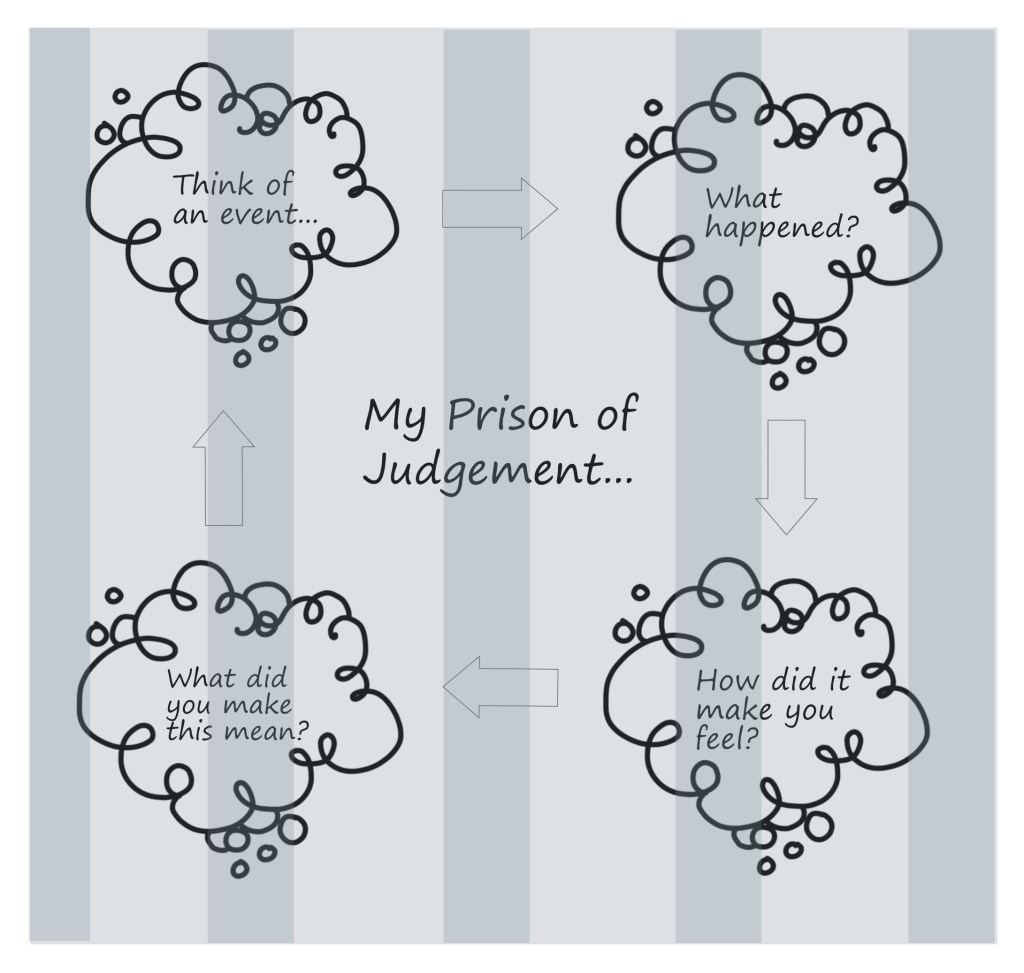
Perhaps, you can already think of a few? If not, try having a go at the exercise in the image above. As you go through each question, you are creating a box. If experiences compound, you adhere to a confirmation bias and draw around the box again, making the prison walls stronger. The only way to be free of judgement is to think out of the box, by considering other perspectives, and practicing discernment.

The choices you have made have came from a place of experience and one of instinct – from what you feel and what you think you know to be true. You have taken these choices into business as well as other aspects of your life.

It is worth reflecting over what choices you have made in business. If you have a business partner or partners, are all your choices aligned? What would like to make going forward?

You have an opportunity here. One to re-evaluate your business and life. To change the narrative. To bring more freedom into your life. What will you choose?

If you would like to connect to go through business choices and know what areas are valuable to look at, please feel free to email chris.robertson@sgfe.co.uk.